Senior Living: The Continuum of Care
This continuum of care approach to aging ensures that as your loved one's needs change, the level of care can adapt right within the same community.

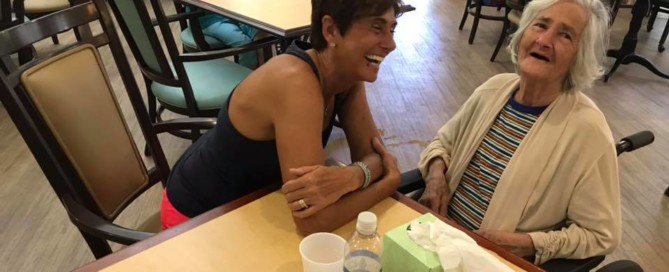
This continuum of care approach to aging ensures that as your loved one's needs change, the level of care can adapt right within the same community.

Discussing the sale of a family home to facilitate a parent's move isn't easy, as the memories and sentimental value can exceed the monetary value.

If you are assisting an aging loved one to manage their Type II diabetes, you are far from alone.
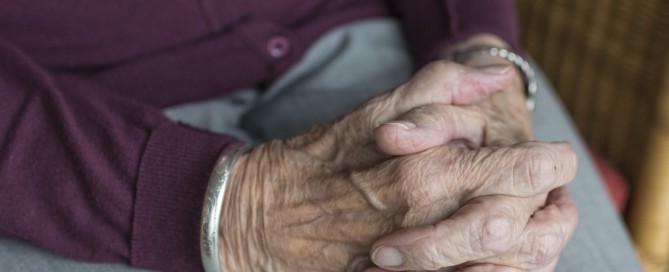
Having a move-in checklist to organize your loved one's move can make the transition less chaotic and allow for a peaceful day.
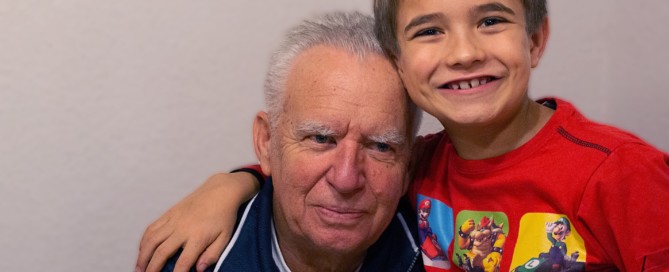
Technology can be a game-changer in maintaining meaningful connections with loved ones when overseeing long-distance caregiving.

Assisted living maintains appropriate levels of freedom and independence while providing the necessary care and support for each individual.

When you've been the one caring for your elderly parent, asking the family to support a change in caregiving accomodations may be difficult.

Being proactive and having a well-thought-out plan can make a significant difference in ensuring a senior's safety and well-being during a hurricane.

For many seniors, the recognition and understanding of PTSD came much later in their lives, leading some to live with undiagnosed symptoms for decades.

While being outside in this heat while unprepared could threaten anyone's safety, people over the age of 65 are more prone to heat-related health concerns, especially if they don't maintain an adequate level of hydration.