How to Navigate Late-Stage Dementia
In late-stage dementia, caregivers may focus on pain management and helping their loved ones to work through the distress they are feeling.

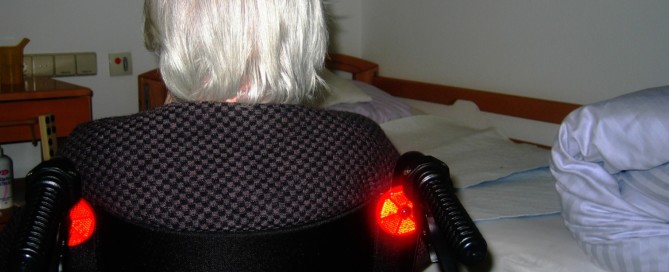
In late-stage dementia, caregivers may focus on pain management and helping their loved ones to work through the distress they are feeling.
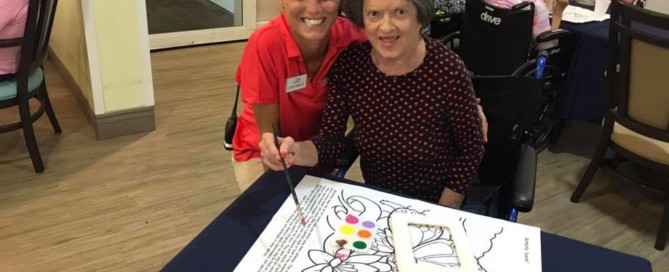
Even though your loved one is receiving professional care, you are still their advocate - and they are counting on you to work with staff for their benefit.
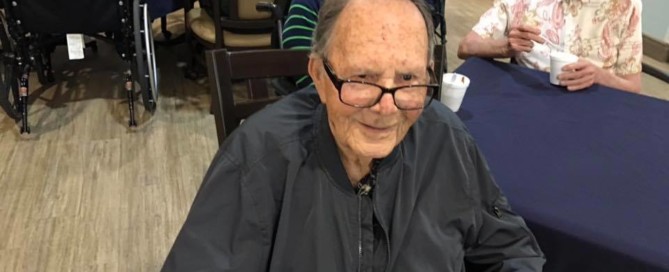
Visiting a memory care community is an excellent way to evaluate the options available to you and gives you the opportunity to ask needed care questions.

Dementia is most often associated with memory loss, but the emotional effects can be just as challenging for families to cope with.

Assisted living communities will provide transportation for errands, appointments, and social outings as part of their base fee.

Under the 1996 Health Insurance Portability and Accountability Act (HIPAA), memory care may be considered a "long-term care service," a deductible expense.
Dementia patients often ask the same questions repeatedly or tell the same story over and over - causing agitation and frustration for their caregivers.

The reality of dementia is also difficult for loved ones, who may struggle to maintain meaningful communication as their loved one slips further away.

If you are a non-medical caregiver in charge of watching over a sick friend or family member, you may wish to learn more about hospice and palliative care.

Memory care is a type of senior living residence that offers elderly patients the help they need to remain cognitively sharp and overcome any fears they may have about aging.